
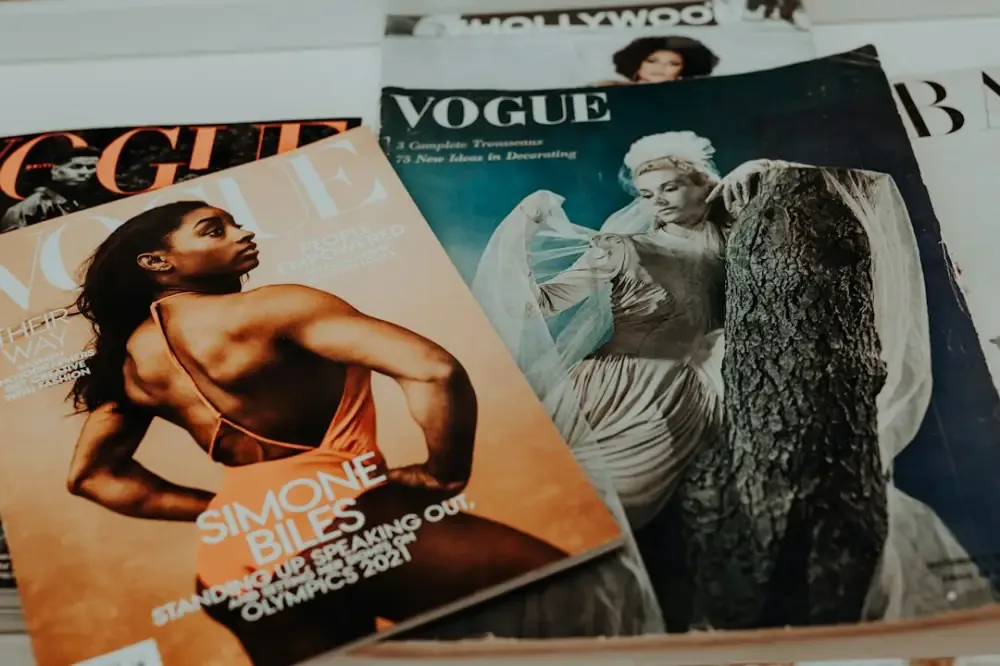
The Quiet Allure of the Paper Trail
In an era where information is delivered in a relentless, flickering stream of pixels, there is a quiet rebellion taking place. It isn’t a loud protest, but rather a slow, deliberate movement back toward the tangible. At DVD Ventas, we’ve observed a fascinating shift: the hunt for rare physical back issues isn’t just a hobby for the nostalgic; it is a growing pursuit for those seeking a deeper connection to the stories that shape us. While digital archives offer convenience, they often lack the soul of a printed page that has survived the decades.
There is a specific kind of magic involved in finding a magazine from twenty or thirty years ago. It is a time capsule, preserved in ink and gloss. When you hold a rare back issue, you aren't just reading content; you are touching the aesthetic choices, the advertisements, and the cultural zeitgeist of a specific moment in time. This reflective journey into the past provides a sense of grounding that a digital feed simply cannot replicate.
The Tangible Weight of History
Why do we find ourselves scouring old bookstores, estate sales, and niche online marketplaces for a specific issue of a defunct hobbyist magazine? Perhaps it is because physical media possesses a weight—both literal and metaphorical—that digital files lack. A PDF of a 1990s film journal is a sequence of bits and bytes, easily deleted and often forgotten. A physical copy, however, occupies space in our lives. It demands to be handled with care, shelved with intention, and revisited with purpose.
The growing interest in these rare artifacts stems from a collective realization that our digital lives are increasingly ephemeral. We have seen how streaming platforms can redefine our viewing habits and how digital libraries can vanish overnight. In contrast, a physical back issue is a permanent resident of your library. It represents a commitment to preservation. Collectors aren't just looking for information; they are looking for a witness to history that won't disappear when a server goes down or a subscription expires.
The Joy of the Unfiltered Discovery
One of the most profound reasons the hunt for rare magazines is growing is the escape it provides from the algorithm. Modern digital consumption is curated for us by invisible lines of code designed to keep us within our comfort zones. When you hunt for back issues, you are stepping outside that bubble. You might be looking for a specific article on vintage cinematography, but in the process, you discover a long-forgotten interview or a piece of art that would never have crossed your digital radar.
This serendipity is the heartbeat of the collector’s journey. It allows for a more personal, introspective form of learning. You are the curator of your own experience, piecing together a narrative of the past through the physical remnants left behind by editors, photographers, and writers who worked without the pressure of modern clickbait metrics.
Why the Hunt Matters Today
The resurgence of interest in physical back issues can be attributed to several deeply human desires. As we move further into a fully digitized future, the value of the "analog" continues to climb, not just in price, but in emotional resonance. Here are a few reasons why this hunt has become so significant for so many:
- Sensory Connection: The texture of the paper, the scent of aged ink, and the sound of a turning page create a multisensory experience that anchors the reader in the present moment.
- Unedited Context: Back issues contain the original advertisements and layouts, providing a full cultural context that is often stripped away in digital text-only archives.
- Aesthetic Value: Many niche magazines were works of art in their own right, featuring photography and design that look better on a coffee table than on a high-resolution screen.
- Intentionality: The effort required to find, purchase, and store a physical magazine fosters a deeper level of engagement with the material.
A Rebellion Against the Ephemeral
As we have discussed in our previous explorations of digital media, there is a growing anxiety regarding the permanence of our cultural records. We see the hunt for rare physical back issues as a direct response to this fragility. When someone spends months tracking down a specific issue of a niche publication, they are performing an act of salvage. They are rescuing a piece of history from the void of obsolescence.
This pursuit invites us to slow down. The "hunt" is not a fast process. It requires patience, research, and a willingness to wait. In a world that demands instant gratification, the slow burn of finding a rare magazine is a meditative practice. It reminds us that some things are worth waiting for, and that the value of an object is often tied to the journey taken to acquire it.
The Future of the Past
Looking forward, the market for rare physical media will likely continue to tighten. As more print publications cease production, the existing pool of back issues becomes a finite resource. This scarcity only adds to the reflective nature of the hobby. Every issue found is a small victory for the preservation of human thought and creativity.
Ultimately, the hunt for rare physical back issues is about more than just collecting paper. It is about honoring the craft of storytelling in its most stable form. It is about recognizing that while digital feeds are designed to be consumed and discarded, physical magazines are designed to be kept. As we continue to navigate the complexities of the digital era, these tangible relics of the past offer us a bridge to a more permanent and personal connection with the stories we love.